DAM architecture for omnichannel excellence
Digital asset management (DAM) has long been more than just another marketing tool.
As a central infrastructure, DAM determines how scalable, consistent, and future-proof your content architecture really is – across channels, markets, and systems. If you want to make meaningful use of omnichannel excellence and AI, you need to think architecturally about DAM.
The core problem: content explosion meets fragmented architectures
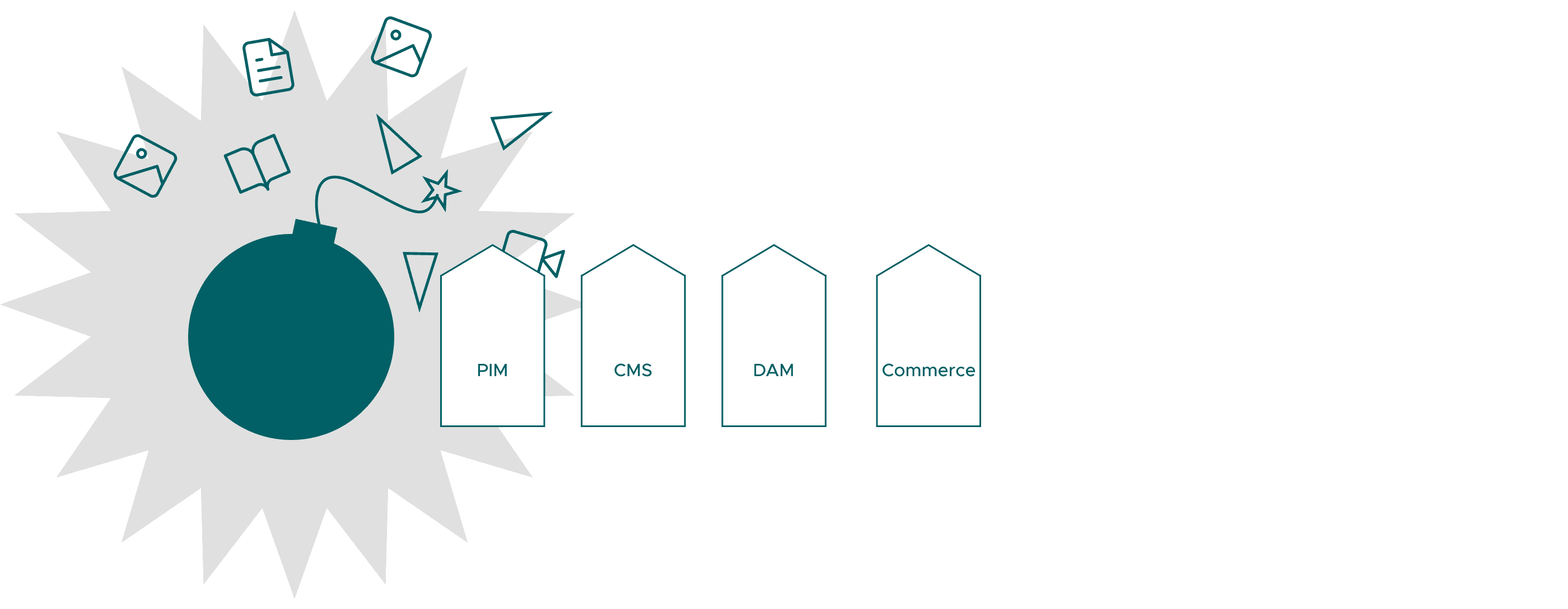
Today, companies are investing in DAM, PIM, CMS, and commerce systems in parallel, yet they still struggle with inconsistent brand identities, high manual coordination efforts, and a lack of transparency regarding assets, usage rights, and metadata. Content is maintained multiple times, versions are created in parallel, approvals are channel- or country-specific and take time. Instead of a consistent content logic, isolated silos are created that slow down processes, prevent automation, and hinder the meaningful use of AI.
The cause rarely lies in the individual system, but rather in the lack of an overarching architecture.
When does DAM become an architectural issue?
DAM becomes strategically relevant at the latest when:
- multiple channels and touchpoints are served
- international markets and brand variants emerge
- PIM, CMS, and commerce are used in parallel
- personalization and AI are planned or already in use
- media processes become increasingly complex and manual
In this context, DAM determines scalability, governance, and future viability.
Why now is the right time
The pressure on existing content architectures is increasing noticeably: content volumes are growing, international markets and brand variants are increasing complexity, while consistency and personalization are becoming basic requirements. At the same time, AI is finding its way into content processes – and reinforcing existing structures.
Without a robust DAM foundation, every new requirement adds to the complexity.
Our approach: DAM as an architecture and transformation project
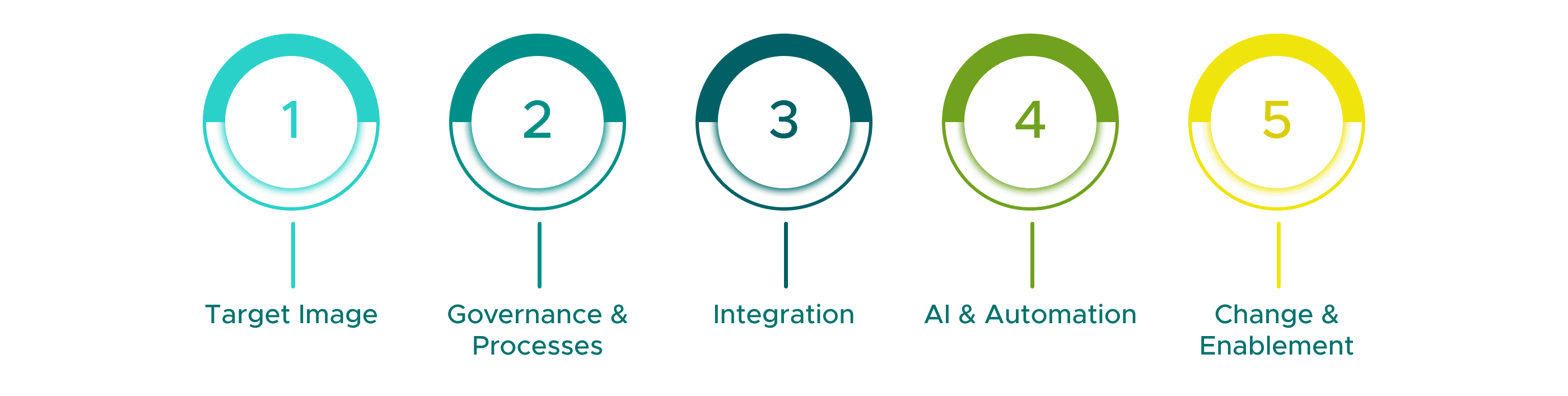
Our approach does not view DAM as an isolated software implementation, but rather as an architecture and transformation project. communicode provides comprehensive support for DAM initiatives – from developing a clear target vision for the content architecture and defining governance, roles, and processes to seamless integration into the existing system landscape consisting of PIM, CMS, and commerce. We don't think of AI as an add-on, but as a strategic amplifier of clean structures and data models. This approach is complemented by change management and enablement to anchor new processes sustainably in the company.
The result is not a short-term tool solution, but a robust architectural decision with long-term added value.
Your benefits at a glance
- Reduced costs through elimination of data silos
- Faster time-to-market
- Consistent brand presence across all channels
- Scalable content structures for international markets
- Less manual coordination between marketing, IT, and product management
- Clear responsibilities for assets and metadata
- Architecture that makes future AI use possible in the first place
Experience from complex DAM projects
Our experience is based on numerous DAM projects in complex corporate environments in industry, retail, and B2B. These include international brands such as Hörmann, Turck, and Mennekes, as well as an international retailer with very high data volumes and highly automated content processes. The projects range from national implementations to global DAM architectures with multiple brands, markets, and thousands of assets. These projects are not about isolated system implementations, but rather scalable architectures, resilient governance models, and seamless integration into existing system landscapes. As a long-standing partner of CELUM, we combine deep technological expertise with a strategic understanding of architecture, thereby laying the foundation for sustainable omnichannel and AI-enabled content ecosystems.